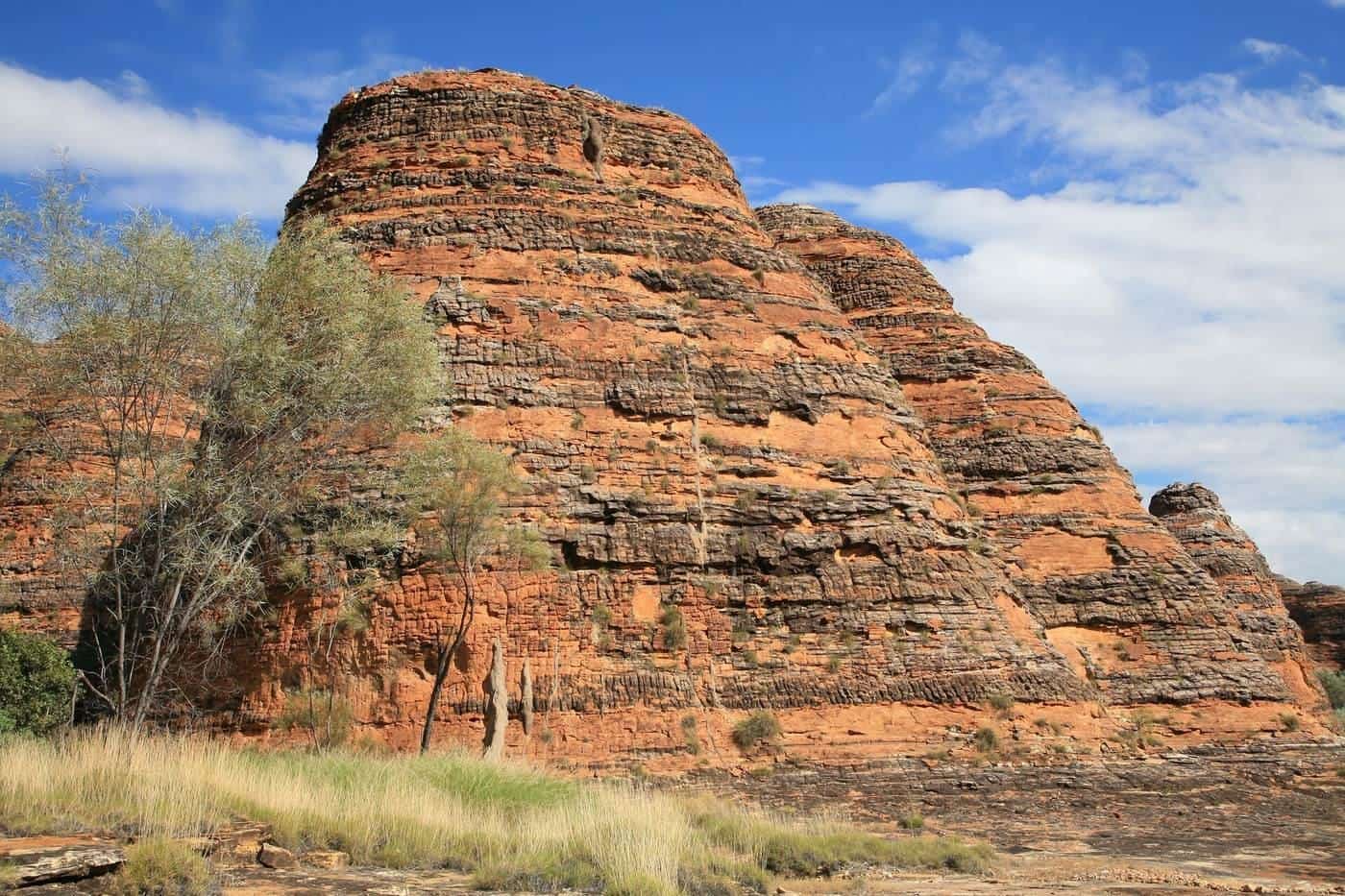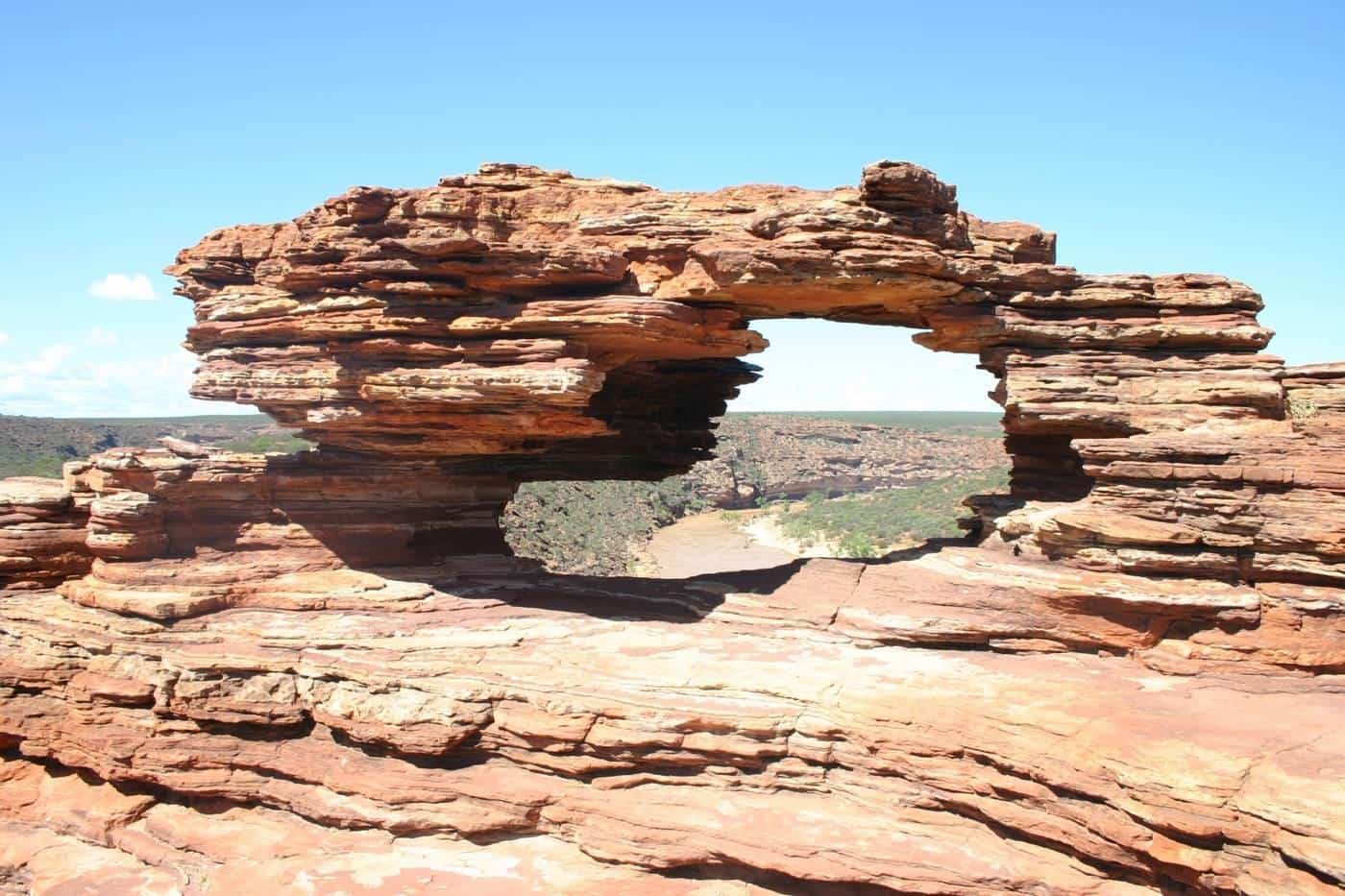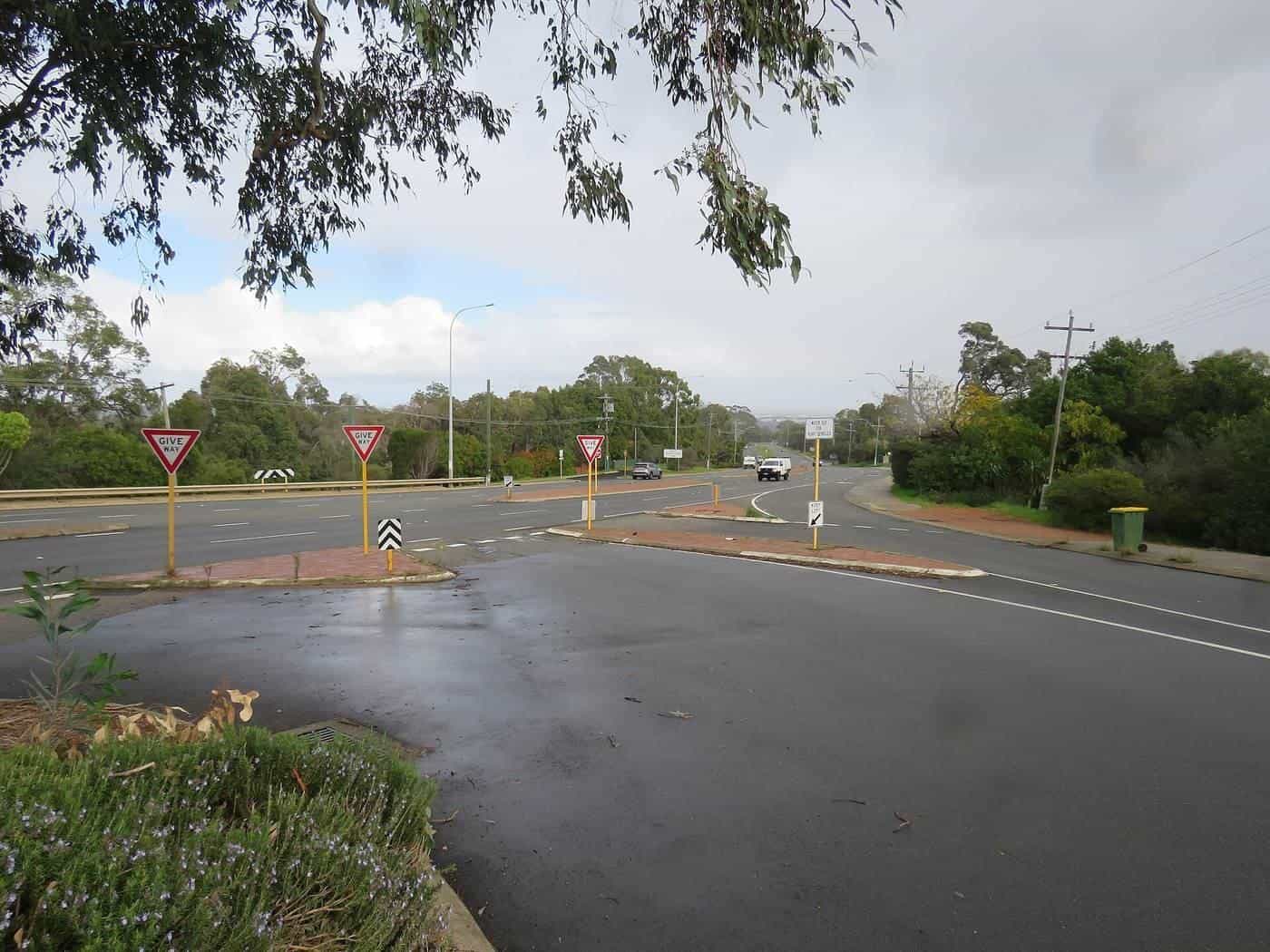
Western Australia covers about 2.5 million square kilometres, roughly a third of the continent. Perth to Broome is further than Melbourne to Brisbane, and some stretches of highway run hundreds of kilometres between towns. That scale is part of the appeal of a WA road trip, but it also means planning matters: how far you drive each day, when you stop, where you refuel and how you deal with wildlife, road trains and unsealed roads.
This guide covers typical distances, realistic daily drives, the main road safety risks and how to check conditions. Use our drive planner on the home page to estimate driving days and fuel stops for your trip.
~2.5M km²
Area of WA
About a third of Australia
110 km/h
Default open-road limit
Unless signed otherwise
2 hours
Take a break
At least this often
Typical distances from Perth
These approximate road distances use the usual highway routes. Check a route planner for your exact route.
| Destination | Approx. km from Perth |
|---|---|
| Margaret River | 270 |
| Hyden (Wave Rock) | 340 |
| Albany | 420 |
| Kalbarri | 570 |
| Esperance | 700 |
| Denham (Shark Bay) | 830 |
| Exmouth | 1,250 |
| Tom Price (Karijini) | 1,450 |
| Broome | 2,240 |
| Kununurra | 3,200 |
Realistic driving days
Long drives cause fatigue, and fatigue is a major factor in serious crashes on country roads.
- Take a break at least every two hours, even if you don't feel tired.
- Share the driving if you can.
- Plan to arrive before dusk.
- Many travellers aim for about 500 to 600 km, or six to eight hours of driving, on sealed highways, and much less on unsealed roads.
- Don't plan to drive long distances after a long flight.
Allow extra time for stops, fuel, meals, sightseeing and roadworks. A plan that looks fine on a map can become exhausting in practice.
Wildlife
Kangaroos, emus, cattle, sheep, goats and camels can all be on or near the road in regional WA. Kangaroos are most active at dawn, dusk and night.
- Avoid driving at dawn, dusk and night where possible.
- Slow down when you see animals near the road. Where there's one kangaroo, there are often more.
- Don't swerve violently to avoid an animal. Brake firmly in a straight line where it's safe to do so.
- In pastoral areas, watch for livestock on unfenced roads and near grids.
Road trains and heavy vehicles
Road trains, trucks pulling multiple trailers, are common on WA's highways, especially in the north and in mining and farming regions. They can be more than 50 m long and take a long distance to stop or pass.
- Only overtake when you can see far ahead and have plenty of room.
- Allow extra space; road trains can sway and kick up stones.
- On narrow or unsealed roads, slow down and move left when a road train approaches, and pull off if needed.
- Don't cut in front of a road train after overtaking.
- If you're towing, let faster vehicles pass.
Unsealed roads
Many attractions are on gravel or dirt roads.
- Slow down. Loose gravel and corrugations reduce grip and control.
- Drive with headlights on, and back off in dust from other vehicles.
- Check whether your hire car agreement allows unsealed roads.
- Roads can become impassable after rain. Check with the local shire and Main Roads WA.
- Never drive through floodwater.
Fuel planning
Fuel stops can be far apart in remote areas, and some roadhouses close at night.
- Fill up at every opportunity in remote areas.
- Know your vehicle's real range, which falls when towing, carrying heavy loads or driving into a headwind.
- Plan to refuel with a reserve, rather than running close to empty.
- Carry spare fuel in approved containers on remote routes.
Checking road conditions
Main Roads WA's travel map shows closures, roadworks, flooding and conditions on state roads. Local shires report on local and unsealed roads. In the north, the wet season can close roads for long periods. Check before you leave and during your trip.
Rules worth knowing
- The default speed limit on open roads is 110 km/h unless signed otherwise.
- Drink-driving and drug-driving laws are strictly enforced, including random testing on country roads.
- Seatbelts must be worn by all occupants.
- Mobile phone use while driving is restricted.
- International visitors should check licence requirements with the Department of Transport WA.
Road safety checklist
0 of 8 done
Ticks are saved in this browser only.
Breakdowns and emergencies
- If you break down, stay with your vehicle. It's easier to find than a person on foot, and it provides shade.
- Carry plenty of water, food and a first aid kit.
- Mobile coverage is limited in much of regional WA. Consider a satellite messenger, satellite phone or personal locator beacon (PLB) for remote areas.
- In an emergency, call 000. The Emergency+ app can help you share your location.
Common mistakes
- Underestimating distances and driving times.
- Driving at dusk and night in wildlife areas.
- Running low on fuel between remote roadhouses.
- Overtaking road trains without a long, clear view.
Railway crossings
Many regional roads cross railway lines, some without boom gates or flashing lights. Long freight trains travel at speed and can't stop quickly. Slow down at every crossing, look both ways, and never try to beat a train.
Towing
If you're towing a caravan or trailer, know your vehicle's towing limits, check your load distribution and tyre pressures, and allow longer distances for braking and overtaking. Pull over occasionally to let traffic pass.
Driving in rain and dust
Rain makes roads slippery, especially after a long dry spell, when oil and rubber build up on the surface. Slow down and increase your following distance. In dust, from unsealed roads or dust storms, visibility can drop suddenly. Turn on your headlights, slow down and pull well off the road if you can't see.
Hire cars and insurance
Many hire agreements restrict driving on unsealed roads, at night in some areas or in certain regions. Read the terms carefully, and check what insurance covers before you set off.
Key points
Western Australia is vast. Plan realistic daily distances, take breaks every two hours, avoid driving at dawn, dusk and night, refuel often, give road trains room and check road conditions with Main Roads WA before and during your trip.
Frequently asked questions
How big is Western Australia?
Western Australia covers about 2.5 million square kilometres, roughly a third of Australia's land area. It's the largest state in Australia, and distances between towns can be very long.
How far can I safely drive in a day?
There's no single safe limit, but road safety agencies recommend taking a break at least every two hours and not driving when tired. Many experienced travellers plan for no more than about 500 to 600 km or six to eight hours a day, and less on unsealed roads.
What is the speed limit on WA country roads?
The default speed limit on open roads in Western Australia is 110 km/h unless signs show otherwise. Many roads have lower signed limits, and you should always drive to the conditions.
How do I overtake a road train?
Road trains can be more than 50 m long. Only overtake when you have a long, clear view of the road ahead and plenty of room. When a road train is coming towards you on a narrow road, slow down and move to the left, pulling off if necessary.
Where can I check road conditions?
Main Roads WA publishes a travel map with road conditions, closures, roadworks and flooding. Local shires report on unsealed roads. Check before you leave and during your trip.
Is it safe to drive at night in regional WA?
Driving at dawn, dusk and night carries a much higher risk of hitting kangaroos, emus, cattle and other animals. Plan to arrive before dusk wherever possible.
Sources and further reading
Facts on this page were checked against these primary and official sources. Conditions change — confirm before you travel or buy.
- Travel map and road conditions — Main Roads WA
- Road Safety Commission — Government of Western Australia
- Western Australia — Wikipedia
- Driving in WA — Department of Transport WA