Western Australia stretches from the cool Southern Ocean coast to the tropical Kimberley, so there's no single best time to visit. When it's cold and wet in Albany, it's warm and dry in Broome; when the north is sweltering in the wet season, the south is enjoying long summer beach days. Matching your destination to the season makes a big difference to comfort, safety and what you'll see.
This guide explains WA's climate zones, the best time to visit each region, the wildflower and marine life calendars, and seasonal hazards such as cyclones and bushfires.
Nov–Apr
Northern wet season
Cyclones, heat, flooding
May–Oct
Northern dry season
Peak time in the north
Jun–Nov
Wildflower season
North to south
WA's climate zones
The south (Perth, South West, Great Southern, Wheatbelt). A Mediterranean-type climate, with warm to hot, dry summers and mild, wet winters. Inland areas are hotter in summer and colder at night in winter than the coast.
The mid-west and Gascoyne (Coral Coast, Shark Bay, Ningaloo). Semi-arid, with hot summers, mild winters and little rain.
The Pilbara. Hot and semi-arid, with very hot summers and occasional heavy rain from storms and cyclones.
The Kimberley. Tropical, with a distinct wet season (roughly November to April) and dry season (roughly May to October).
The Goldfields and deserts. Arid, with hot summers, cold winter nights and very low rainfall.
Season by region
| Region | Best time | Notes |
|---|---|---|
| South West and Great Southern | Spring to autumn | Summer beaches, winter whales |
| Avon Valley and Wheatbelt | Winter and spring | Green paddocks, wildflowers |
| Coral Coast and Shark Bay | Autumn to spring | Very hot in summer inland |
| Ningaloo | April to October | Whale sharks and humpbacks |
| Pilbara and Karijini | April to September | Extreme summer heat |
| Kimberley | May to October | Wet season closures |
Spring: wildflower season
Western Australia has one of the richest floras in the world, with thousands of species of flowering plants, many found nowhere else. Wildflower season starts in the north around June and moves south, with peak displays in many areas from August to October. The timing and quality of displays depend on winter rains. Popular areas include the mid-west, the northern Wheatbelt, Kalbarri, the Stirling Range and the coastal heath of the South West.
Wildflowers are protected. Take photos, stay on tracks and don't pick flowers.
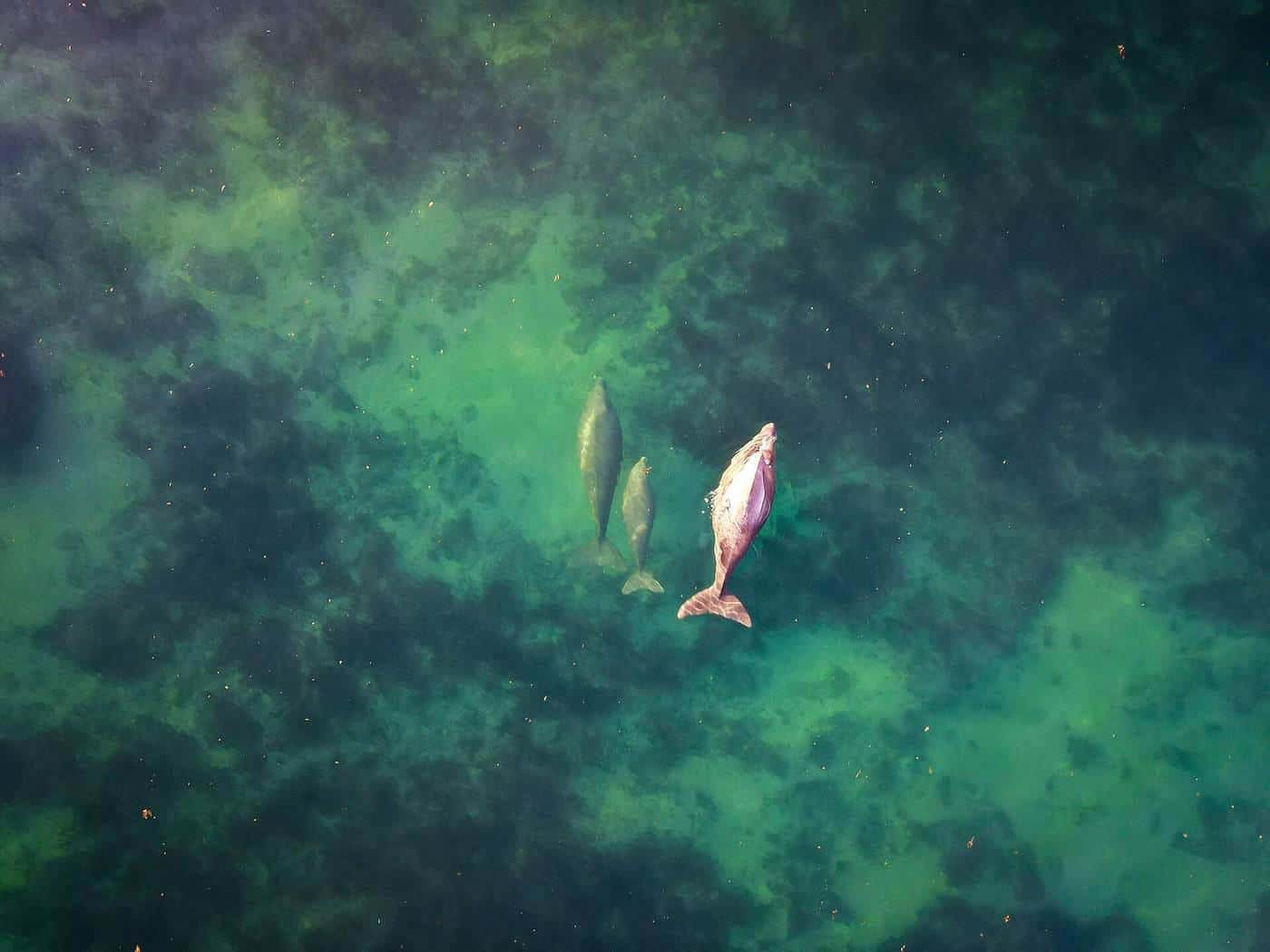
Marine life calendar
- Whale sharks (Ningaloo): roughly March or April to July.
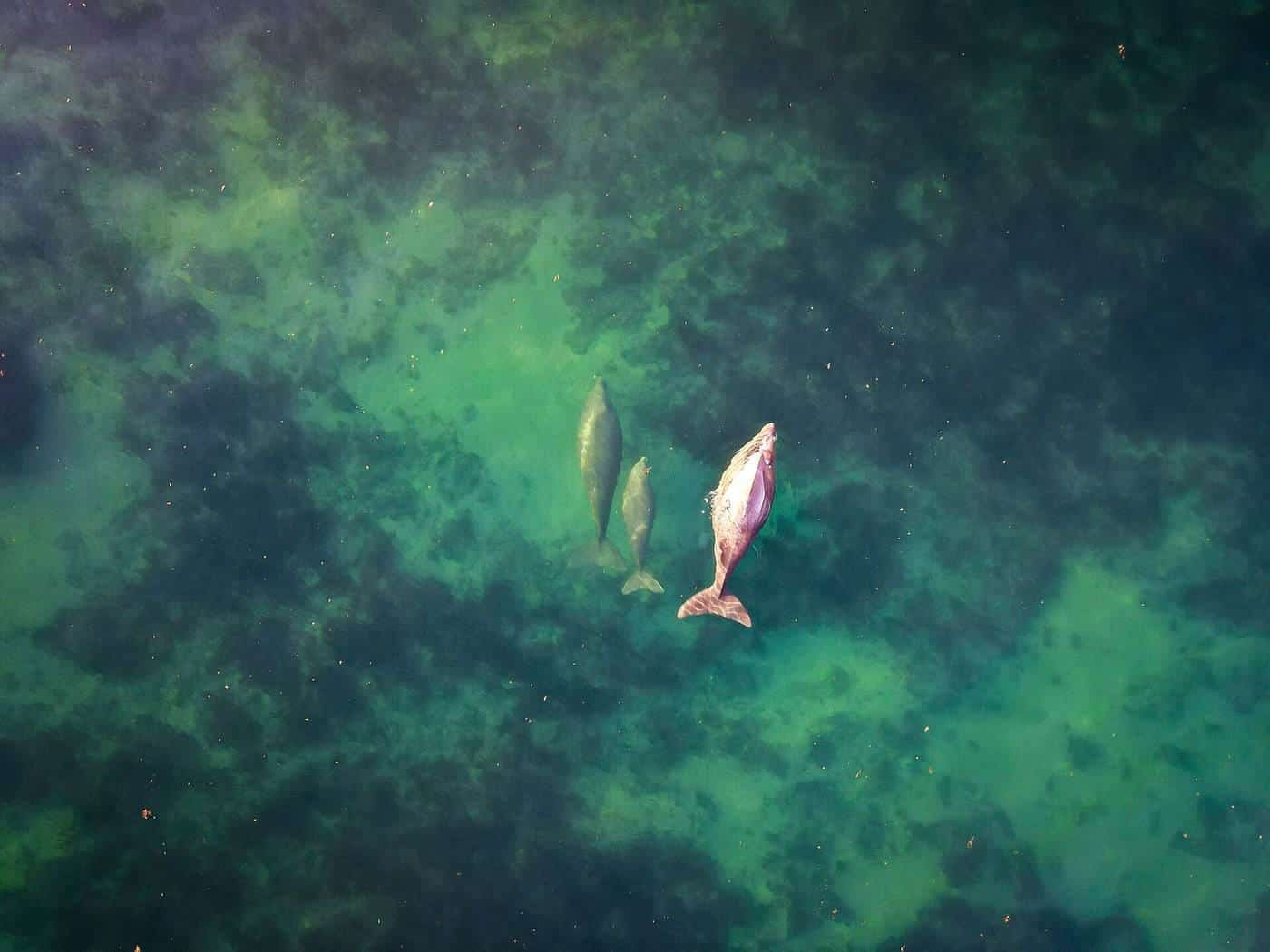
- Humpback whales: migrating along the coast, roughly June to November.
- Southern right whales (south coast): roughly June to October.
- Manta rays (Coral Bay): year-round.
- Turtle nesting (Ningaloo and north): roughly November to March.
- Coral spawning (Ningaloo): usually around March or April.
Timing varies from year to year.
Seasonal hazards
Cyclones. The tropical cyclone season runs from November to April. Cyclones bring destructive winds, heavy rain, storm surge and flooding, and can close roads and towns. Check the Bureau of Meteorology for warnings.
Floods. The northern wet season can close roads and flood rivers for long periods. Never drive into floodwater.
Extreme heat. Summer temperatures can be extreme across much of the state, especially inland and in the north. Plan activities for early morning.
Bushfires. Fire danger is high in the south during the hotter months and in the north during the dry season. Check Emergency WA for warnings and total fire bans.
Stingers. Box jellyfish and other marine stingers occur in northern waters, mainly from about November to May.
Crowds and holidays
WA school holidays, Easter and long weekends are busy, especially in the South West, on the Coral Coast and at Ningaloo. Accommodation and campsites can book out months ahead. The northern dry season is peak season in the Kimberley. Travelling outside school holidays means fewer crowds and more choice.
Seasonal planning checklist
0 of 7 done
Ticks are saved in this browser only.
Packing for the seasons
- Summer in the north or inland: light, loose clothing, a wide-brimmed hat, sun protection and plenty of water.
- Winter in the south: warm layers, a rain jacket and closed shoes.
- Desert and inland winter: warm clothes for cold nights, even after warm days.
- Water activities in the north: a stinger suit in stinger season.
Common mistakes
- Visiting the Kimberley in the wet season without understanding road closures.
- Planning Karijini gorge walks in midsummer.
- Expecting warm beach weather in the south in winter.
- Arriving at popular destinations in school holidays without bookings.
The south month by month
- December to February: the hottest, driest months, with long beach days and peak holiday crowds. Bushfire danger is high.
- March to May: warm days and cooler nights. Often a settled, pleasant time to travel, with fewer crowds after Easter.
- June to August: the wettest, coolest months. Whale season begins, inland paddocks turn green and wildflowers start in the north of the region.
- September to November: spring wildflowers, whales along the coast and warming weather.
The north month by month
- May to June: the start of the dry season. Waterfalls are still flowing in the Kimberley, and roads open progressively.
- July to August: peak season, with warm days, cool nights and the busiest campgrounds. Book early.
- September to October: heat builds, especially inland, but conditions are still good on the coast.
- November to April: the wet season, with heat, humidity, storms, cyclones and flooding. Many roads, parks and businesses in the Kimberley close.
Coastal winds
Afternoon sea breezes are common along much of the WA coast. In Perth this is the famous "Fremantle Doctor", which brings relief on hot summer afternoons. Further north, strong winds can make some beaches, boating and snorkelling uncomfortable. Plan water activities for calmer mornings where possible, and check marine forecasts.
Shoulder seasons
Shoulder seasons, the months between peak and off-peak, can be a great time to travel. In the south, autumn offers settled weather after the summer crowds. In the north, May and September often have good conditions with fewer visitors than the peak dry-season months. Check that roads, parks and tours are open before you go.
Daylight hours
In the south, winter days are short, so plan driving to arrive before dusk. In the north, day length varies less through the year.
Key points
Western Australia spans several climate zones. Visit the south in spring, summer or autumn, the north in the dry season from about May to October, and the Coral Coast and Ningaloo in the cooler months. Check for cyclones, floods, heat and fire, and book ahead in school holidays.
Frequently asked questions
When is the best time to visit the north of WA?
The dry season, roughly May to October, is the best time to visit the Kimberley and Pilbara. The cooler months from about April to October also suit the Coral Coast and Ningaloo.
When is the best time to visit the south of WA?
The south has warm, dry summers and cool, wet winters. Spring and autumn are often the most comfortable, while summer suits beach holidays and winter suits whale watching and cosy stays.
When is wildflower season in WA?
Wildflowers bloom from about June to November, starting in the north and moving south as the season progresses. Peak displays in many areas are from August to October, depending on winter rains.
When is cyclone season in WA?
The official tropical cyclone season in northern Australia runs from November to April. Cyclones can affect the Kimberley, Pilbara and Gascoyne coasts.
When is bushfire season?
Bushfire season varies by region. In the south, the main fire season is during the hotter, drier months, generally from late spring into autumn. In the north, fire risk is highest during the dry season. Check Emergency WA for current warnings.
When are WA school holidays?
WA school holiday dates are published by the Department of Education. Popular destinations are busiest during school holidays and long weekends, so book ahead.
Sources and further reading
Facts on this page were checked against these primary and official sources. Conditions change — confirm before you travel or buy.
- Climate of Western Australia — Bureau of Meteorology
- Tropical cyclones — Bureau of Meteorology
- Emergency WA — Department of Fire and Emergency Services
- Wildflowers in WA — Parks and Wildlife Service WA