Ningaloo is one of the world's largest fringing reefs, stretching roughly 300 km along the coast of the North West Cape. Unlike the Great Barrier Reef, much of it lies just metres from the shore, so you can walk off a beach and snorkel over coral, fish and turtles. The Ningaloo Coast was inscribed on the World Heritage List in 2011. With whale sharks, manta rays, humpback whales and the rugged gorges of Cape Range National Park, it's a highlight of any trip north.
This guide covers getting there, the main towns, Cape Range National Park, marine life seasons, safety in the water and how to protect the reef.
~300 km
Length of the reef
Close to shore in many places
2011
World Heritage listing
The Ningaloo Coast
~1,250 km
Perth to Exmouth
Two to three days' drive
Getting there
From Perth, most people drive north via the Coral Coast, stopping at the Pinnacles, Kalbarri and Shark Bay before reaching Coral Bay and Exmouth. It's a drive of around 1,250 km and best spread over at least two or three days. Flights also connect Perth with Learmonth Airport, south of Exmouth, and hire cars are available.
Exmouth
Exmouth is the main town on the North West Cape, with accommodation, supermarkets, fuel, dive and tour operators, and a marina. It's the base for whale shark tours, diving, fishing charters and trips into Cape Range National Park.
Coral Bay
About 150 km south of Exmouth, Coral Bay is a small resort settlement on a sheltered bay where coral grows right up to the beach. It's ideal for easy snorkelling and family swimming. Manta ray tours operate from Coral Bay, and the bay's calm water and coral gardens can be seen from glass-bottom boats.
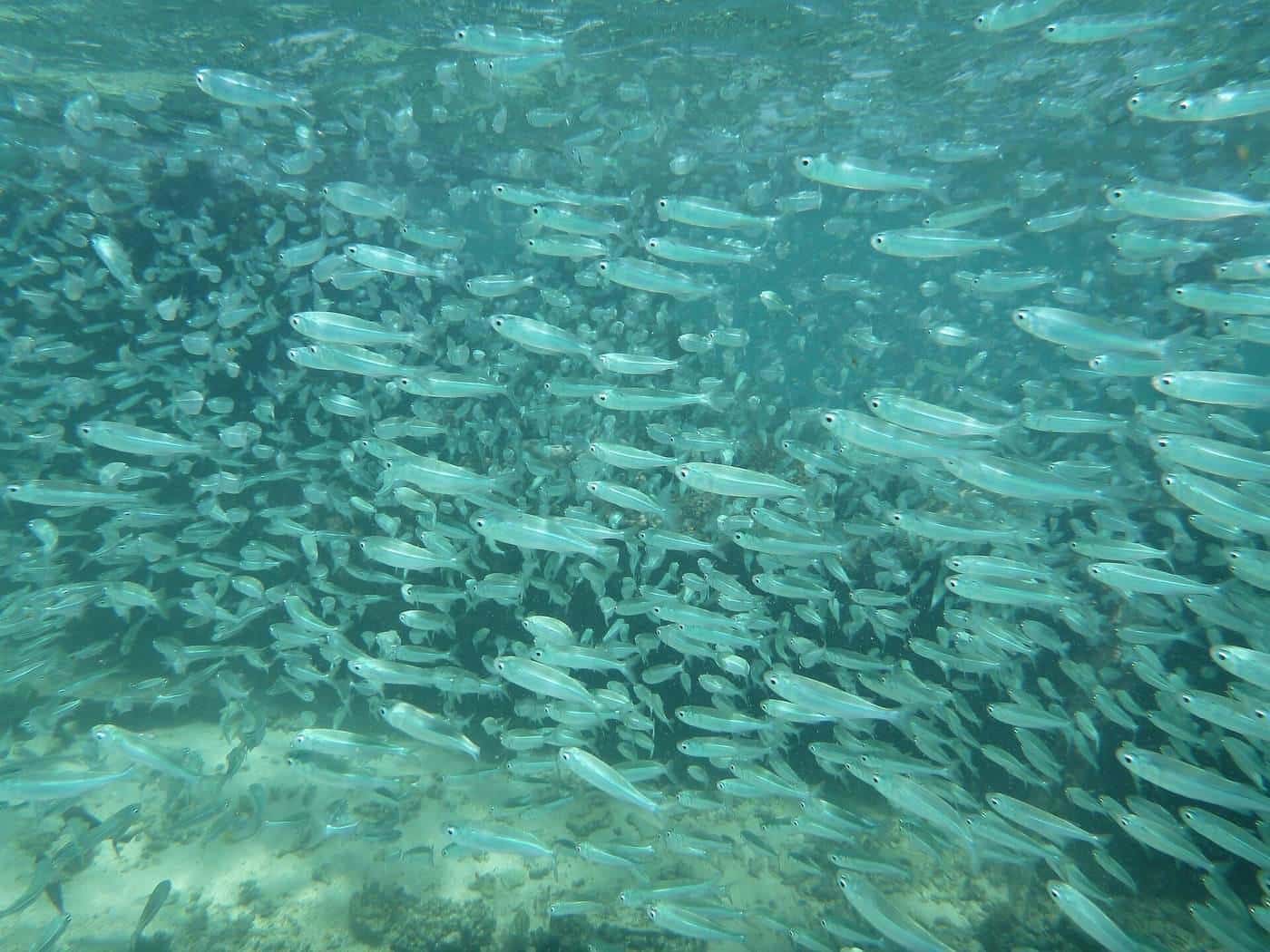
Cape Range National Park
Cape Range National Park covers the limestone ranges and coastline on the western side of the cape. Highlights include:
- Turquoise Bay, a white-sand beach with clear water and a popular drift snorkel.
- Oyster Stacks, a snorkelling site with coral and fish close to shore, best at higher tides.
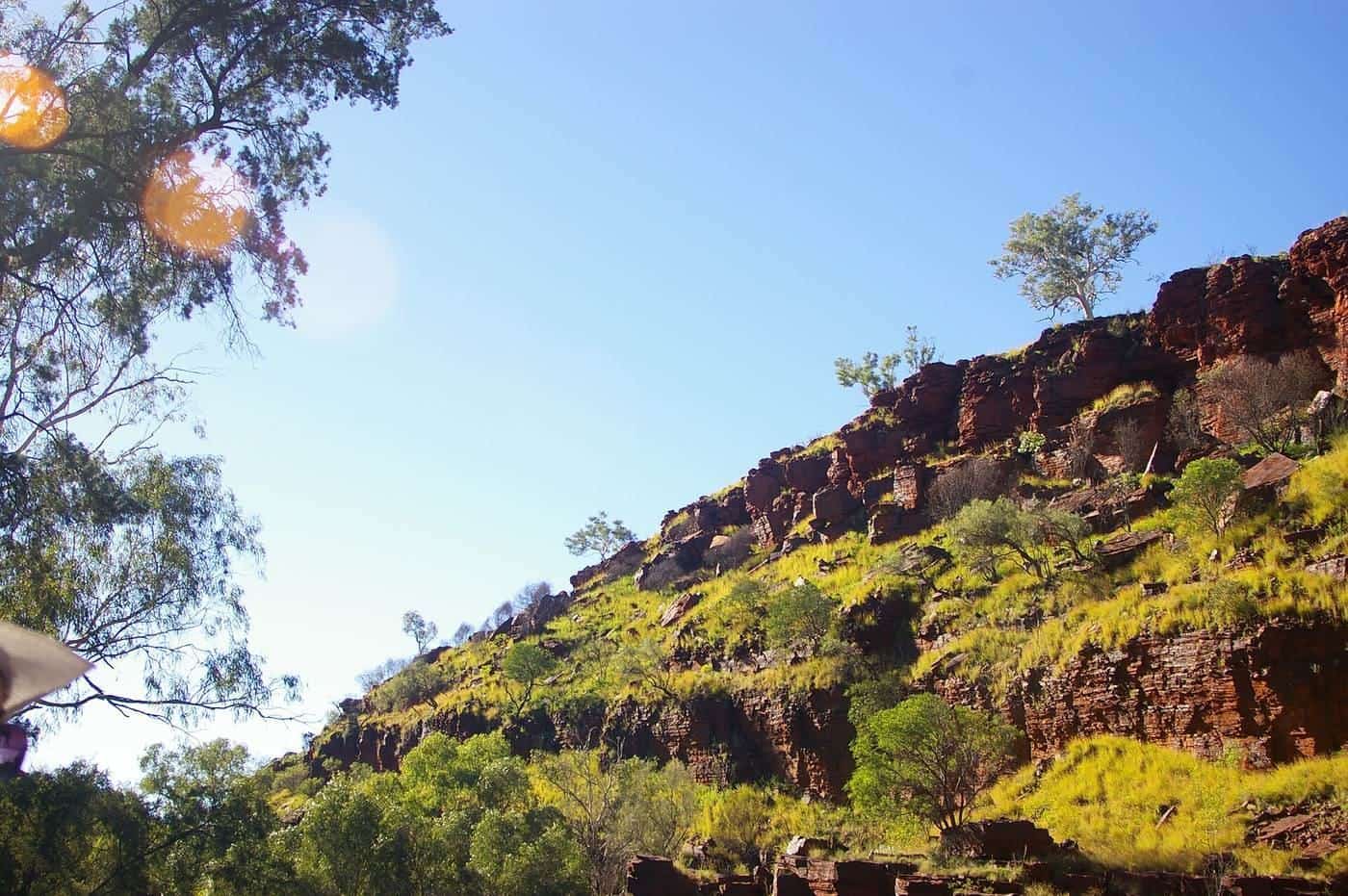
- Yardie Creek, a gorge with red cliffs, where boat tours and walks offer a chance to see black-footed rock-wallabies.
- Mandu Mandu Gorge and Charles Knife Canyon, with walks and views over the range.
The park has campgrounds along the coast, which are popular and should be booked well in advance in the cooler months. Park entry fees apply. The Milyering Discovery Centre has information on the park and reef.
Marine life seasons
Seasons vary from year to year, but the general pattern is:
- Whale sharks: roughly March or April to July.
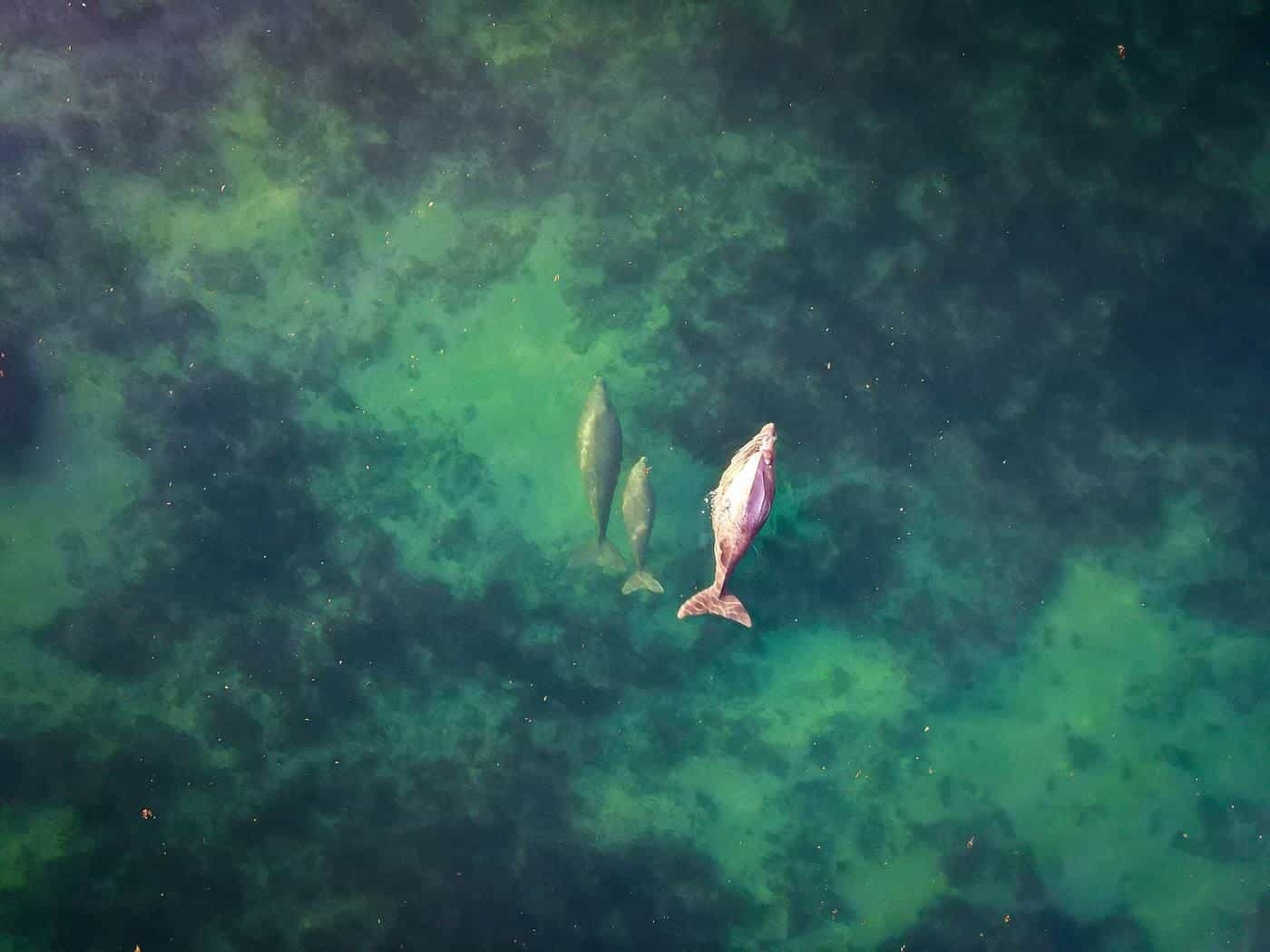
- Humpback whales: roughly June or July to October or November, during their migration.
- Manta rays: present year-round, particularly around Coral Bay.
- Turtles: nesting on beaches from about November to March.
- Coral spawning: usually in autumn, around March or April.
Whale shark and humpback swims are run by licensed operators following strict rules on distances and numbers in the water. Book with a licensed operator and follow their briefing.
Snorkelling safely
Ningaloo's beaches can look calm, but the reef has currents and gaps that can carry swimmers out to sea.
- Read safety signs at each beach and check current conditions.
- At Turquoise Bay, follow the signs for the drift snorkel and exit before the end of the beach. Don't get carried past the exit point.
- Never snorkel alone, and keep an eye on children.
- Wear a rash vest or stinger suit for sun protection.
- Check tides: some sites are best at higher tides when there's more water over the coral.
- Don't stand on or touch coral.
Protecting the reef
Ningaloo Marine Park has sanctuary zones where fishing and taking marine life are prohibited. Check zoning maps before fishing. Use reef-friendly practices: don't touch or stand on coral, don't feed fish, take your rubbish with you, and give turtles and other wildlife plenty of space. On nesting beaches, follow guidelines for watching turtles and keep lights off.
Weather and cyclones
The North West Cape is hot and dry. Summer temperatures can be extreme, and the region is in Australia's cyclone zone from November to April. Check the Bureau of Meteorology's cyclone information if travelling in those months. The cooler months, roughly April to October, are the most comfortable and the most popular.
Ningaloo trip checklist
0 of 8 done
Ticks are saved in this browser only.
Suggested itineraries
Four days. Fly into Learmonth, snorkel Turquoise Bay and Oyster Stacks, explore Yardie Creek, and take a whale shark or humpback tour in season.
One week. Add Coral Bay for manta rays and easy snorkelling, and camp in Cape Range National Park.
Part of a longer road trip. Drive up the Coral Coast from Perth, then continue inland to Karijini or north to Broome.
Common mistakes
- Underestimating currents at Turquoise Bay and other snorkel sites.
- Arriving in peak season without campground bookings.
- Standing on coral or touching marine life.
- Driving at night, when kangaroos, emus and cattle are on the road.
Travelling with children
Coral Bay is ideal for families, with calm, shallow water and coral right off the beach. Glass-bottom boat tours let younger children see the reef without getting wet. Keep a close eye on children in the water, use rash vests for sun protection and choose sheltered sites.
Fishing
Fishing is popular around Exmouth and Coral Bay, but rules apply. Check sanctuary zones, bag and size limits, and licence requirements before you fish. Recreational fishing from a boat in WA requires a licence.
Getting around
A vehicle is needed to explore Cape Range National Park. Roads to the main beaches are sealed, but distances are significant. Fill up in Exmouth before heading into the park, where there's no fuel.
Accommodation
Exmouth has hotels, caravan parks and holiday rentals, while Coral Bay's accommodation is limited and books out early. Book well ahead.
Key points
Ningaloo is a World Heritage fringing reef you can snorkel from the beach, about 1,250 km north of Perth. Visit in the cooler months for whale sharks and humpbacks, book ahead, read beach safety signs, never snorkel alone and protect the reef by following sanctuary zone rules.
Frequently asked questions
How far is Exmouth from Perth?
Exmouth is roughly 1,250 km north of Perth by road, usually done over two or three days. There are also flights to Learmonth Airport, about 35 km south of Exmouth.
When is whale shark season at Ningaloo?
Whale sharks are usually seen at Ningaloo from about March or April to July, though timing varies from year to year. Licensed tour operators run swims with whale sharks under strict rules.
Can I snorkel Ningaloo from the beach?
Yes. Because Ningaloo is a fringing reef, coral lies close to shore in places such as Turquoise Bay, Oyster Stacks and Coral Bay. Currents can be strong, so check conditions, read signs and never snorkel alone.
What is the Turquoise Bay drift snorkel?
At Turquoise Bay, a current runs parallel to the beach, so snorkellers enter the water at one end and drift along the reef. The current can be strong and can carry swimmers out through a gap in the reef, so only snorkel there if you're a confident swimmer and follow the signs.
What are sanctuary zones?
Sanctuary zones in Ningaloo Marine Park are areas where fishing and taking anything is prohibited, to protect marine life. Check the zoning maps before fishing.
When is the best time to visit Ningaloo?
The cooler months from about April to October are the most popular, with whale sharks, humpbacks and comfortable temperatures. Summer is very hot, and the region is in the cyclone zone from November to April.
Sources and further reading
Facts on this page were checked against these primary and official sources. Conditions change — confirm before you travel or buy.
- Ningaloo Coast — UNESCO World Heritage Centre
- Ningaloo Marine Park — Parks and Wildlife Service WA
- Cape Range National Park — Parks and Wildlife Service WA
- Tropical cyclones in Western Australia — Bureau of Meteorology